
Sublimity in print.
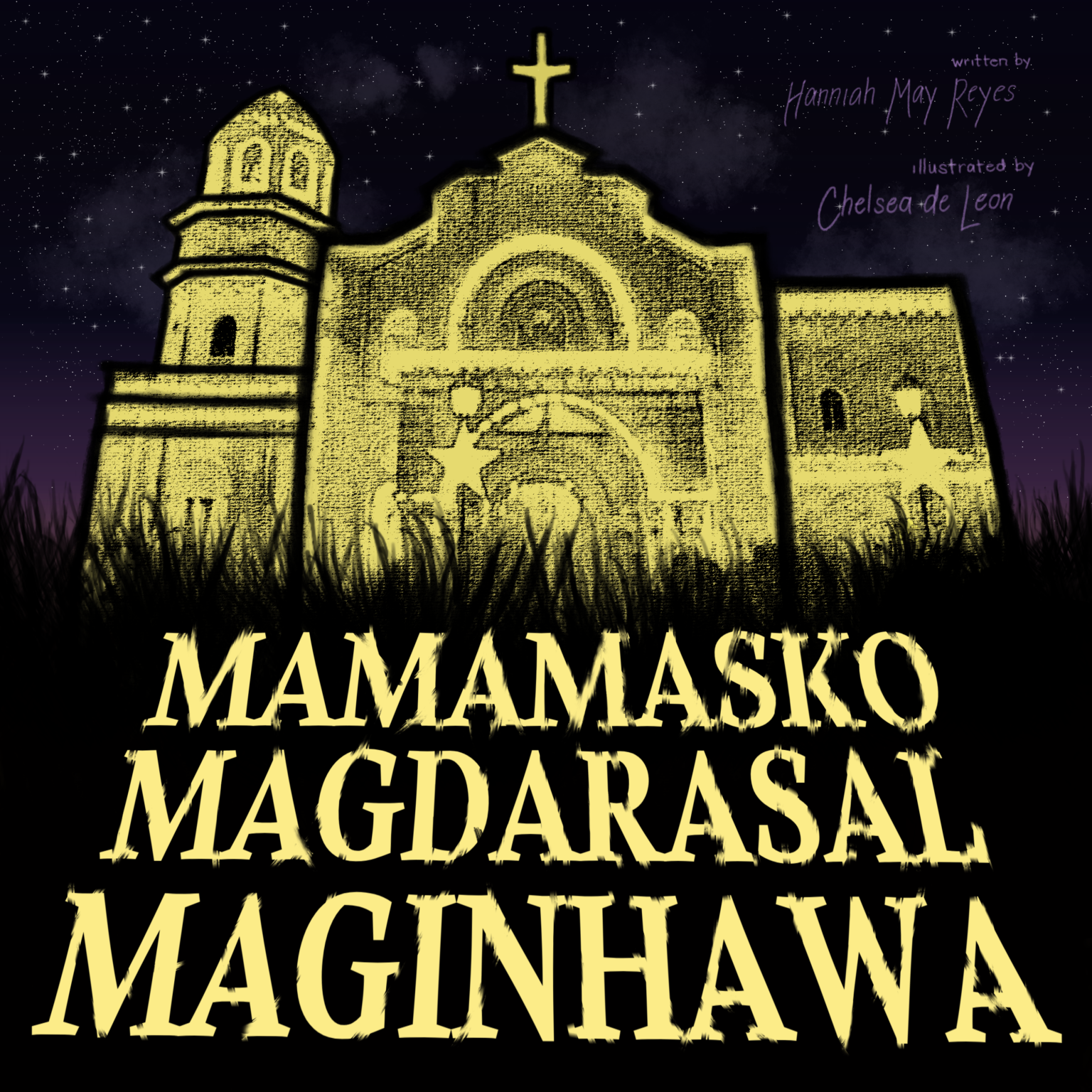
The smell of fresh, steaming bibingka wafting through the air, the sound of church bells tolling, and multicolored parols illuminating the dark, early mornings—these are the elements that complete a typical Simbang Gabi scene. From the moment the clock strikes twelve on the very first day of September, it is as though the entire nation releases the breath they have been holding in for the entire year and kicks into the holiday spirit as establishments begin to decorate their spaces with lights, trees, and other ornaments. Every house filled with festive trinkets and a an often wobbly yet earnestly built Christmas tree create a welcome atmosphere to the joyous season; yet, to many people, their homes find genuine warmth by embracing the true mark of the beginning of Christmas through the nine-day observance of Simbang Gabi or Mass at Dawn. But why is it that the majority of Catholic Filipinos flock to churches at such an early hour? Is it for the supposed wish that would be bestowed on a person should they complete all days of Simbang Gabi? Or is there more to the tradition that families and friends celebrate in the days leading up to Christmas?
The origins of Simbang Gabi trace back to Mexico in 1587 where Pope Sixtus V permitted Fray Diego de Soria’s petition to hold an outdoor Christmas mass because the church was unable to accommodate the large number of attendees. In earlier practices, the ringing of the church bells signalled the beginning of the pre-dawn mass. Brass bands would play Christmas songs around some rural areas before the start of the mass, while some priests would even personally journey out to knock on family’s doors to encourage them to attend the mass. This early morning mass is what enabled farmers to partake in the religious service before heading to work in the fields. Simbang Gabi is traditionally observed at 4 AM from December 15 until December 23, culminating with the misa de gallo on Christmas Eve to welcome the birth of Jesus Christ. After the mass ends, people would still linger to enjoy popular delicacies, such as bibingka, puto bumbong, biko, and suman sold by vendors outside churches.
Simbang Gabi is a tradition of intention. It is not completely akin to the elaborate decorations plastered on buildings or the planning of Christmas parties and meals; rather, it is one that is deeply rooted in many people’s faith that it encourages consistency and devotion despite having to wake before the sun is even up. It is one that spurs street vendors to start their day early and prepare food that families will indulge in. From a greater lens, it is a symbol and a reflection of Filipino perseverance and how, at the end of year, despite all the adversities faced, it is important to take a moment to reflect and express gratitude for being able to reach such a point in life wherein every soul gets to experience the purest form of love by being reminded of the birth of Christ. Receiving material objects is a hallmark of the season of giving, yet there is fulfillment found in practicing the values cultivated by Christmas traditions—these are found in extending compassion towards less fortunate individuals, choosing to act in kindness amidst difficult situations, forgiving someone who was done wrong, or reconnecting with people.
More than purchasing gifts for loved ones and completing the list of food to be prepared for Noche Buena, Simbang Gabi is the integral, spiritual preparation that people need to fully embrace the real meaning of Christmas. It is a profound part of the Filipino Catholic convention that unites people in prayer, faith, and hope. Ultimately, it is not just the mass itself that makes this tradition sacred to Filipinos—it is the simple act of togetherness born out of quiet gatherings in the morning, sharing meals, and talking with one another that lights up the hearth that keeps homes warm and comforting in the celebration of the season that finds great love in the tiniest acts of kindness. When one closes their eyes to solemnly make a wish, their quiet whisper is one that will echo throughout the cool December air, bearing the hopes of a fruitful tomorrow.
December 24, 2025
- visuals byChelsea de Leon
ABOUT THE AUTHOR

If lost, please return to someplace with caffeine and books.